

Local SEO for Small Businesses: The Ultimate Guide
The Ultimate Guide to Local SEO for Small Businesses

For small businesses, being visible to nearby customers can make a significant difference in generating leads, phone calls, website visits, and sales. When someone searches for a product or service “near me,” they are often ready to take action. This is where local SEO becomes an essential part of a small business marketing strategy.
Local search engine optimization helps businesses improve their visibility in geographically relevant searches. Whether you operate a local restaurant, dental practice, home service company, retail store, professional service, or another community-based business, appearing prominently in local search results can help you connect with customers at the right time.
This guide explains how local SEO works, why it matters, and practical local SEO tips you can use to strengthen your online presence and improve local rankings.
What Is Local SEO?
Local SEO is the process of optimizing a business’s online presence so it can appear more prominently when people search for products or services in a specific geographic area.
For example, someone might search for:
- “SEO agency near me”
- “best coffee shop in Miami”
- “dentist in Fort Lauderdale”
- “emergency plumber near me”
Search engines use various signals to determine which businesses are most relevant to these searches. Location, relevance, business information, website content, reviews, and online authority can all influence local visibility.
Unlike traditional SEO, which can target a national or global audience, local SEO focuses on reaching customers within a particular service area.
Why Local SEO Matters for Small Businesses
Large companies often have extensive marketing budgets and strong brand recognition. Small businesses can compete more effectively by focusing on their local market.
A strong local SEO strategy can help you:
- Reach customers searching in your service area
- Increase visibility in local search results
- Generate more qualified website traffic
- Encourage phone calls and inquiries
- Drive visits to physical locations
- Build trust through reviews
- Strengthen your local brand presence
Local searches often have strong purchase intent. Someone searching for “roof repair near me,” for example, may need a service immediately. Appearing in front of that customer can create an opportunity that traditional advertising may not provide.
Optimize Your Google Business Profile
One of the most important steps in local SEO is creating and maintaining an accurate Google Business Profile.
Your profile provides searchers with essential information about your business, including your:
- Business name
- Address
- Phone number
- Website
- Business hours
- Services
- Photos
- Customer reviews
Make sure every detail is accurate and consistent with the information on your website and other online platforms.
Choose the most appropriate primary category for your business and add relevant secondary categories when applicable. You should also complete as much of your profile as possible rather than leaving important sections blank.
Regularly adding high-quality photos, updates, services, and other relevant information can help keep your profile useful and engaging for potential customers.
Keep Your Business Information Consistent
Consistency is an important part of local search optimization. Your business name, address, and phone number, often referred to as NAP information should be accurate across your website, business directories, social profiles, and other online listings.
Even small inconsistencies can create confusion.
For example, if your website lists “123 Main Street” but another directory lists “123 Main St.”, this may not always cause a major problem, but maintaining consistent information wherever possible creates a clearer digital footprint.
Review your existing listings and update outdated information, duplicate profiles, old addresses, or incorrect phone numbers.
Create Location-Focused Website Content
Your website should clearly communicate where your business operates.
If you serve multiple cities or neighborhoods, consider creating useful location-specific pages when each location has genuinely different information to offer. Avoid creating dozens of nearly identical pages simply by changing the city name.
Instead, provide valuable local information such as:
- Services available in the area
- Neighborhoods served
- Local customer needs
- Relevant service details
- Frequently asked questions
- Directions or service-area information
For example, a home improvement company serving several communities could create detailed pages explaining the services it provides in each area, along with information that is genuinely relevant to customers there.
This approach helps search engines understand your geographic relevance while giving visitors useful information.
Use Local Keywords Naturally
Keywords remain an important part of SEO, but they should be incorporated naturally.
Instead of repeatedly using the same phrase throughout a page, consider related terms and variations that reflect how customers actually search.
For example, a local marketing agency might naturally use phrases such as:
- Local SEO services
- SEO services for small businesses
- Local search optimization
- Google Business Profile optimization
- SEO agency
- Local search marketing
The goal is not to insert keywords as many times as possible. The goal is to create useful content that clearly explains what your business offers and where you provide those services.
Build and Manage Customer Reviews
Reviews are an important trust signal for potential customers. When comparing local businesses, people frequently look at ratings and customer experiences before making a decision.
Encourage satisfied customers to leave honest reviews on platforms that are relevant to your business.
A good review strategy includes:
- Asking customers for feedback at an appropriate time.
- Making the review process easy.
- Responding professionally to positive and negative reviews.
- Avoiding fake or incentivized reviews that violate platform policies.
- Using genuine customer feedback to identify areas for improvement.
Responding to reviews also shows potential customers that you value their experiences.
Build Quality Local Citations
Local citations are online mentions of your business, typically including information such as your name, address, phone number, and website.
Common citation sources include business directories, industry websites, local organizations, and relevant platforms.
Quality is more important than quantity. Creating hundreds of low-quality listings is unlikely to be as valuable as maintaining accurate profiles on trustworthy and relevant websites.
Look for directories that are:
- Relevant to your industry
- Relevant to your geographic area
- Well-established
- Trusted by users
- Maintained with accurate information
As part of your local SEO checklist, regularly review important listings to make sure your business details remain accurate.
Earn Local Backlinks
Backlinks are links from other websites to your website. Local businesses can benefit from earning links from relevant websites within their community or industry.
Potential opportunities include:
- Local news publications
- Community organizations
- Industry associations
- Local business groups
- Charities and community events
- Chamber of commerce websites
- Local partnerships
For example, sponsoring a legitimate community event may create an opportunity to receive recognition from the event organizer's website.
The focus should always be on earning relevant, trustworthy links rather than purchasing large quantities of low-quality backlinks.
Make Your Website Mobile-Friendly
Many local searches happen on smartphones. If your website is difficult to navigate on a mobile device, potential customers may leave before contacting your business.
A mobile-friendly website should:
- Load quickly
- Use readable text
- Have easy-to-use navigation
- Make phone numbers easy to tap
- Provide clear calls to action
- Display properly across different screen sizes
Mobile usability is not only important for search visibility but also for converting visitors into customers.
Improve Website Speed and User Experience
A fast, easy-to-use website creates a better experience for visitors.
Review your website regularly for issues such as:
- Slow-loading pages
- Broken links
- Missing images
- Difficult navigation
- Confusing contact information
- Poor mobile formatting
Make it simple for visitors to understand what you offer and how they can contact you.
A local customer should not have to search through multiple pages to find your phone number, address, service area, or booking information.
Use Local SEO Schema Markup
Structured data, commonly called schema markup, can help search engines better understand important information about your business.
Depending on your business, relevant structured data may include information about your:
- Business type
- Address
- Phone number
- Website
- Opening hours
- Services
- Reviews
Schema markup does not guarantee higher rankings, but it can help search engines interpret your business information more effectively.
Create Helpful Local Content
Blogging can support a local SEO strategy when the content answers questions that potential customers actually have.
Instead of publishing generic articles simply to target keywords, focus on useful topics related to your services and community.
For example, a local landscaping company might publish:
- How to Prepare Your Yard for Florida's Summer Weather
- Common Landscaping Problems for Homeowners in [City]
- How Often Should You Schedule Lawn Maintenance?
- What to Consider Before Installing a New Patio
Useful local content can attract search traffic, demonstrate expertise, and give customers another reason to visit your website.
A Practical Local SEO Checklist
Use this checklist to review your current local SEO strategy:
- Claim and verify your Google Business Profile.
- Check your business name, address, and phone number.
- Choose accurate business categories.
- Add relevant services and business information.
- Upload high-quality, relevant photos.
- Encourage genuine customer reviews.
- Respond to customer reviews.
- Audit important business listings.
- Create useful location-focused website content.
- Optimize title tags and meta descriptions.
- Make your website mobile-friendly.
- Improve website loading speed.
- Build relevant local backlinks.
- Publish helpful content regularly.
- Monitor local search performance.
- Update outdated business information.
How to Improve Local Rankings Over Time
There is no single action that guarantees better local rankings. Successful local SEO usually comes from consistently improving several areas of your online presence.
Start by fixing the basics. Make sure your Google Business Profile and website information are accurate. Then focus on reviews, useful content, relevant citations, local backlinks, and website experience.
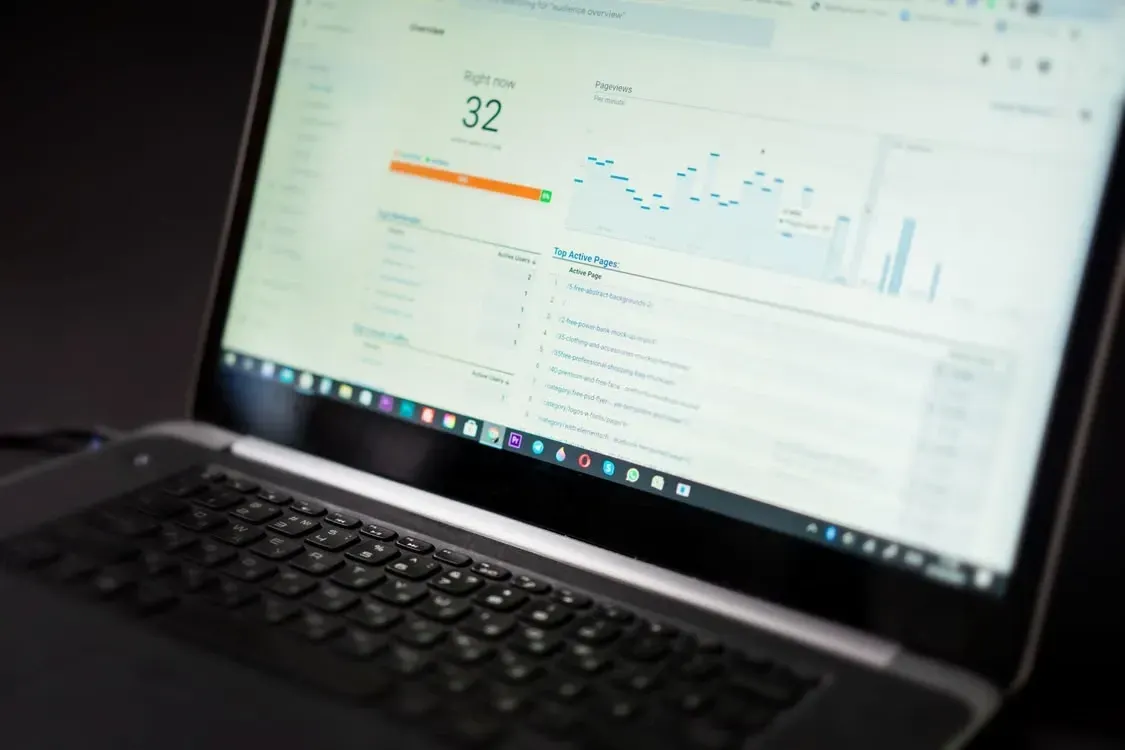
Track your performance regularly to understand which strategies are producing results. Look at metrics such as website traffic, calls, direction requests, form submissions, and search visibility.
Most importantly, remember that local SEO is an ongoing process. Competitors are continually updating their websites, earning reviews, publishing content, and improving their local presence. Consistent optimization can help your business remain competitive.
How Level Up Digital Solutions Can Help
Managing local SEO can become challenging when you are also responsible for running your business. Level Up Digital Solutions can help small businesses develop a structured SEO strategy designed around their goals, services, and target locations.
From improving website visibility to optimizing local search signals and creating valuable content, a focused strategy can make it easier for potential customers to discover your business online.
If your business is struggling to appear in local searches, now is a good time to evaluate your current strategy and identify areas for improvement.
Final Thoughts
Local SEO helps small businesses improve visibility, attract nearby customers, and build a stronger online presence. By optimizing your Google Business Profile, earning reviews, creating local content, and maintaining accurate business information, you can improve your local search performance.
Ready to improve local rankings and grow your business? Contact Level Up Digital Solutions today to get started with a customized local SEO strategy.
Frequently Asked Questions
1. How long does local SEO take to work?
Local SEO results can vary depending on your competition, website authority, location, industry, and current online presence. Some improvements may appear relatively quickly, while stronger and more consistent results often require ongoing optimization.
2. Is local SEO important for small businesses?
Yes. Local SEO can help small businesses reach customers searching for products and services in their geographic area. It is particularly valuable for businesses that depend on local customers, appointments, calls, or physical visits.
3. What is the most important part of local SEO?
There is no single factor that determines local visibility. Accurate business information, a well-optimized Google Business Profile, positive reviews, relevant website content, citations, backlinks, and a strong user experience can all contribute to a successful strategy.
4. How often should I update my Google Business Profile?
You should update your profile whenever important business information changes. It can also be beneficial to keep your profile active with relevant updates, photos, services, and other useful information.
5. Can local SEO help businesses with multiple locations?
Yes. Businesses with multiple locations can use location-specific pages and optimized business profiles to improve visibility in different service areas. Each location should have accurate and genuinely useful information.