

SEO and Digital Marketing: How They Work Together to Increase Online Visibility
SEO and Digital Marketing: How They Work Together to Increase Online Visibility

Building a strong online presence requires more than having a business website. Companies need to reach the right audience, appear in relevant search results, and provide useful information that encourages potential customers to take action. This is where SEO and digital marketing work together.
Search engine optimization (SEO) helps improve a website's visibility in organic search results, while digital marketing includes a broader range of online strategies, such as paid advertising, content marketing, social media, and email campaigns. When these approaches are combined, businesses can create a more consistent online presence, attract relevant visitors, and support long-term growth.
Understanding how SEO and digital marketing complement each other can help businesses make better marketing decisions and get more value from their online efforts.
What Is SEO in Digital Marketing?
SEO is the process of improving a website so that search engines can understand its content and present relevant pages to users searching for related information, products, or services.
An effective SEO strategy generally includes three important areas:
- On-Page SEO: Improving page titles, headings, content, internal links, and keyword placement to make website pages more relevant to search queries.
- Technical SEO: Improving website structure, mobile usability, page speed, crawlability, and indexing so search engines can access and understand the website.
- Off-Page SEO: Building website authority through relevant backlinks, brand mentions, and other external signals.
SEO supports digital marketing by helping businesses attract people who are already searching for their services or solutions. Unlike paid advertising, organic search visibility does not depend on paying for every website visit.
How SEO and Digital Marketing Work Together
SEO and digital marketing have different functions, but their combined efforts can create a stronger online marketing strategy.
1. SEO Builds Long-Term Organic Visibility
SEO helps businesses appear in search results when potential customers look for relevant services or information. By targeting appropriate keywords and publishing useful content, companies can attract visitors with specific search interests.
For example, a local service provider can create pages targeting its services and geographic area. Optimized content, relevant internal links, and a well-structured website can help those pages reach people actively searching for local solutions.
Explore SEO services to understand how a structured SEO strategy can support organic visibility.
2. Paid Advertising Generates Immediate Exposure
While SEO generally requires time to build organic visibility, paid advertising can help businesses reach potential customers more quickly.
Pay-per-click (PPC) advertising allows businesses to display ads for selected search terms, audiences, or placements. It can support product launches, seasonal promotions, and campaigns targeting specific customer groups.
SEO and PPC can also provide useful insights for one another. Paid campaigns can help identify search terms that attract relevant visitors, while organic search performance can highlight topics worth exploring in advertising campaigns.
Businesses can explore PPC advertising services to learn more about reaching potential customers through paid campaigns.
3. Content Marketing Supports Search Visibility
Useful content gives businesses opportunities to answer customer questions, explain their services, and target relevant search queries.
Blog posts, service pages, guides, and frequently asked questions can support SEO by covering topics that matter to the intended audience.
Content marketing also helps maintain consistency across other digital channels. A helpful blog article, for example, can be shared through social media, included in an email campaign, or used to support a paid promotion.
The key is to create content that provides genuine value instead of focusing only on inserting keywords.
4. Local SEO Connects Businesses With Nearby Customers
For businesses serving specific geographic areas, local SEO plays an important role in digital marketing.
Local SEO focuses on improving visibility for searches with geographic intent. This may include searches for nearby services, businesses in a particular city, or providers within a specific region.
Important local SEO activities include:
- Optimizing the Google Business Profile.
- Maintaining consistent business name, address, and phone number information.
- Creating relevant location-based website content.
- Encouraging genuine customer reviews.
- Building relevant local citations.
These activities can help businesses improve their presence in local search results and connect with people looking for services in their area.
Learn more about local SEO services and how local search optimization can support business visibility.
5. Analytics Helps Improve Marketing Performance
SEO and digital marketing should be measured regularly to understand what is working and where improvements are needed.
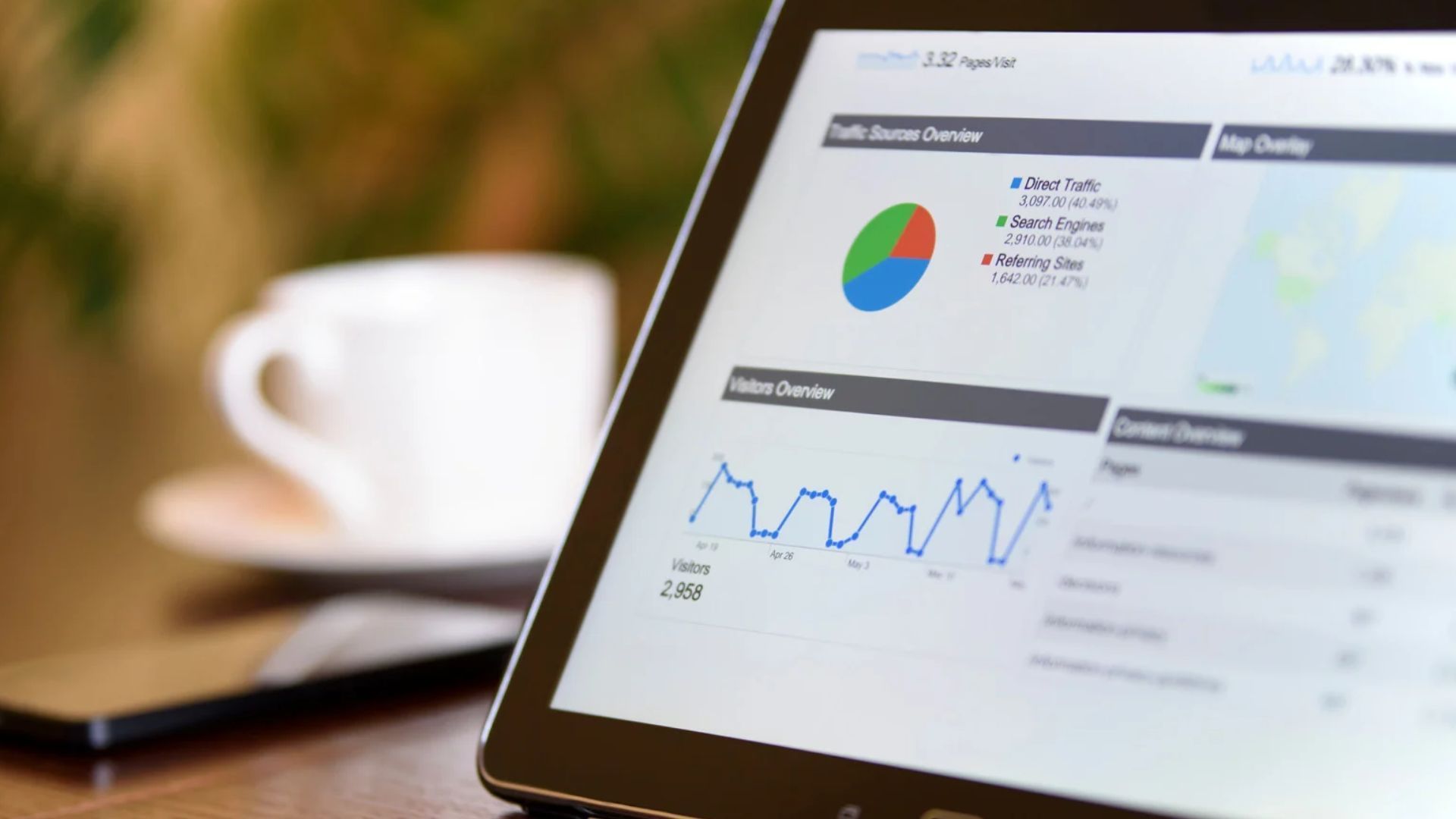
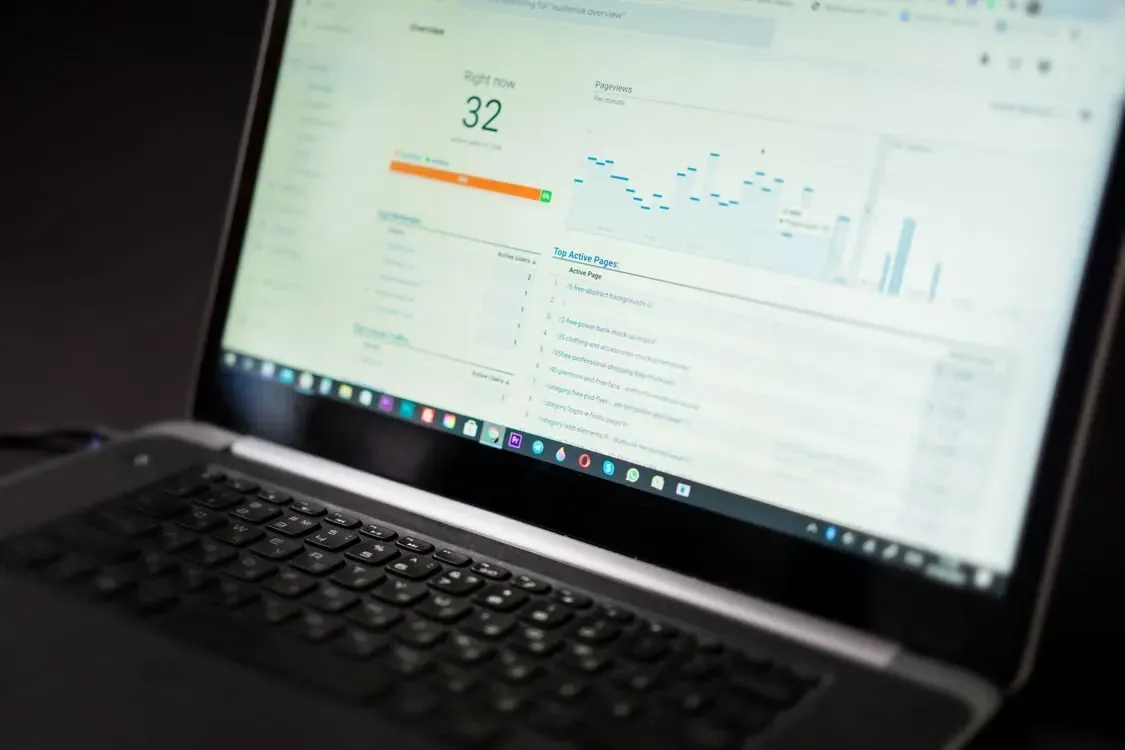
Tools such as Google Analytics 4 and Google Search Console can help businesses evaluate website traffic, search performance, user engagement, and conversions.
Useful performance indicators include:
- Organic clicks and impressions.
- Keyword rankings and search visibility.
- Website sessions and engaged sessions.
- Paid advertising clicks and conversion rates.
- Contact form submissions and other qualified leads.
Reviewing these metrics helps businesses identify successful campaigns, understand audience behavior, and make informed adjustments to their marketing strategies.
Why Businesses Need an Integrated Digital Marketing Strategy
Managing SEO, paid advertising, content, and local search as completely separate activities can create gaps in an overall marketing strategy.
An integrated approach helps align these activities around shared business objectives. For example, SEO research can identify topics for blog content, PPC campaigns can support important service pages, and analytics can help evaluate performance across different channels.
Some important benefits include:
- Consistent Brand Visibility: Customers can encounter a business through organic search, paid advertisements, and other online channels.
- Better Audience Targeting: Different marketing channels can reach potential customers at various stages of their decision-making process.
- Improved Marketing Insights: Combined performance data can help businesses understand which strategies attract relevant visitors.
- Stronger Lead Generation Opportunities: A coordinated approach can guide visitors from discovering a business to exploring its services and making contact.
- More Efficient Marketing Decisions: Businesses can use performance insights to prioritize activities and allocate resources more effectively.
Strengthen Your Online Presence With the Right Strategy
SEO and digital marketing work best when they support the same business goals. SEO builds organic visibility over time, while PPC, content marketing, and local SEO help businesses reach audiences through different online channels.
The right combination depends on the business's industry, target audience, location, competition, and marketing objectives. Regular performance reviews and strategic adjustments are also important for maintaining progress.
At Level Up Digital Agency, businesses can explore digital marketing solutions designed to improve online visibility and support growth. Visit the Level Up Digital Agency homepage to learn more about available services, or contact the team to discuss your digital marketing goals.
Frequently Asked Questions
1. What is the difference between SEO and digital marketing?
SEO is one part of digital marketing that focuses on improving organic search visibility. Digital marketing is a broader approach that includes SEO, PPC advertising, social media, content marketing, email campaigns, and other online promotional activities.
2. Can SEO and PPC work together?
Yes. SEO and PPC can complement each other by helping businesses reach audiences through both organic and paid search results. PPC can provide faster campaign exposure, while SEO supports long-term organic visibility.
3. How long does SEO take to show results?
SEO timelines vary depending on website condition, competition, industry, content quality, and the effectiveness of optimization activities. Some improvements may become visible within a few months, while stronger and more consistent results can take longer.
4. Why is local SEO important for small businesses?
Local SEO helps businesses improve their visibility when people search for products or services in specific geographic areas. It can help small businesses connect with nearby customers and generate relevant inquiries.
5. How can businesses measure digital marketing success?
Businesses can measure performance through organic traffic, search impressions, keyword rankings, paid campaign results, engagement, lead submissions, and conversions. Tracking these metrics helps identify which activities contribute to marketing objectives.