
5 Things You Need To Know About Online Reputation
Tom Canterino • October 20, 2021
5 Things You Need To Know About Online Reputation
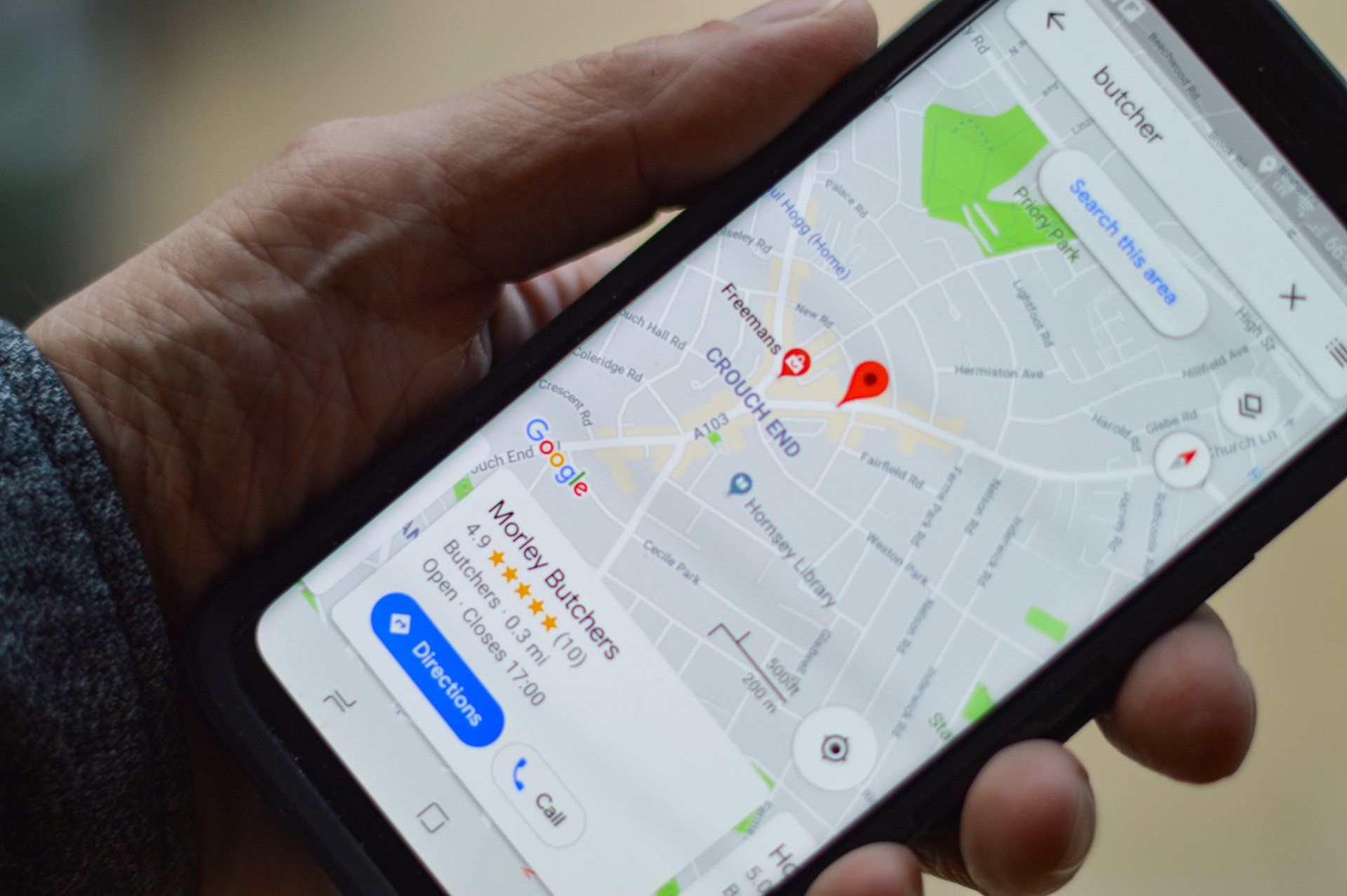
Your online reputation is the most important asset you have. It has become more important than your offline reputation, which used to be the most vital part of personal branding. Your digital footprint could make or break your career and business opportunities in just a few clicks. To get ahead of this issue, here are 5 things that you need to know about how to protect yourself from cyberbullying and online harassment.
1) Online Reputation is Important
- Your online
reputation has become more valuable to your personal brand than even your offline one.
- Online feedback could make or break a business deal in just a few clicks, which means that you need to monitor and protect yourself from cyberbullying and online harassment at all costs.
- In fact, there are legal ramifications when it comes to cyberbullying and online harassment. For example, employers are increasingly checking applicants' social media accounts before they hire them - so you need to make sure your digital footprint is squeaky clean!
2) Monitor Everything
- Your digital footprint is essentially your reputation. Therefore, you need to monitor every single thing that could potentially affect it - including email accounts and social media profiles.
- This also means monitoring all comments on any public posts or reviews of your business online. Many websites allow you to delete negative comments while others don't so make sure to do this on a regular basis.
- It also makes sense to monitor any feedback on your current employer's social media accounts too, just in case you want to leave the company but still maintain a sterling reputation.
- Finally - don't forget about monitoring what people are saying about you offline! Most of us don't realize that our neighbors or co-workers could be saying something negative about us and it's important to know if they are.
- You can't control what other people say or do, but you can at least monitor them so that you don't get blindsided by a false rumor or rude comment.
3) Don't Respond
- When it comes to
online reputation, the best thing you can do is ignore negative comments and feedback. If someone has something negative to say about your business or personal brand - don't respond! This will only get other people talking about you even more which could potentially snowball into a bigger problem.
- In fact, by responding to negative comments online, you could be opening up a can of worms that you simply don't want to deal with. It's best to just ignore the comment and leave it alone so everyone else does too!
- If someone is cyber bullying or harassing you - report them immediately by contacting your ISP provider and report their profile if they're on any social media websites.
- If you don't feel like it's safe to respond, consider consulting a professional reputation management service that can help you monitor and protect your online presence without getting involved in any unnecessary drama!
- Once the negative comment or feedback is gone for good - move on with your business as usual.
4) Think Before You Post
- This is the most important part of protecting your online reputation. Once something is on the internet - it's there forever! It doesn't matter if you delete a photo or status update, screenshots can still be taken which means that you need to think twice about what you post before doing so.
- Even if someone else posts something negative about your business, you can't delete their comment or review. This means that it's important to think carefully before posting anything on any public website or social media account.
- Don't say things like "I hate my job" - even if the post is private! Think twice and then once more before hitting send because there are no take backs with the internet!
5) Act Quickly
- When your
online reputation is under attack, you need to act quickly and decisively. Ignoring the problem won't make it go away any more than trying to defend yourself will do any good either! The best thing you can do in this situation is take some time (if necessary) before responding publicly while seeking professional help if needed.
- In the end - it's up to you what you do with your online presence. Just make sure that everything is on the up and up before publishing anything! Remember, once something has been posted publicly - there are no take backs anymore so act accordingly!
To learn more about how LevelUP Digital Solutions can help you grow your business
through happy customers, contact us today at 401-298-9361. Our automated feedback collection, management, and syndication platform makes you the authority for your reputation and turns your customers into your best marketers.

Learn how local SEO helps small businesses rank on Google Maps & local search. Get practical tips to boost visibility and win nearby customers today.

Learn what professional SEO services include, how pricing works, and what to expect before you hire. Get clarity and choose the right partner today.

Social media has become an essential part of how businesses connect with customers, build brand awareness, and create opportunities for long-term growth. Whether a company is trying to reach local customers, introduce a new service, or strengthen its reputation, social media provides valuable opportunities to communicate directly with its audience. However, successful social media marketing involves much more than publishing occasional posts. Businesses need a clear strategy, consistent content, audience research, performance tracking, and ongoing optimization to turn social platforms into meaningful marketing channels. That is where working with a digital marketing agency Rhode Island businesses trust can make a difference. An experienced agency can dev elop a social media strategy that supports broader marketing objectives while helping a business build a recognizable and engaging online presence. For Rhode Island businesses looking to strengthen their digital marketing efforts, LevelUP Digital Solutions can provide strategic guidance and marketing solutions designed around business goals. In this article, we’ll explore effective social media marketing strategies and how a professional digital marketing agency can help businesses get more from their social presence. Why Social Media Marketing Matters for Businesses Customers increasingly use social media to discover brands, research services, read recommendations, and interact with businesses. A strong social presence can help your company remain visible throughout the customer journey. Social media can help businesses: Increase brand awareness Reach new audiences Build relationships with customers Showcase products and services Promote special offers Drive traffic to a website Support lead generation Strengthen brand credibility A digital marketing agency Rhode Island businesses rely on can integrate these objectives into a broader marketing strategy instead of treating social media as a s tandalone activity. Developing a Social Media Strategy Successful social media marketing starts with strategy. Posting without a clear purpose can lead to inconsistent messaging and limited results. A professional agency begins by determining: Who the business wants to reach What the audience cares about Which platforms are most relevant What goals the campaign should accomplish What types of content will support those goals This strategic foundation ensures every post has a purpose. Identifying Your Target Audience Understanding your audience is one of the most important parts of social media marketing. An agency can research factors such as: Demographics Interests Online behaviors Customer needs Purchasing habits Geographic location For businesses serving Rhode Island communities, geographic targeting can be particularly valuable. A digital marketing agency Rhode Island busine sses partner with can help create content and campaigns designed to reach audiences within specific service areas. Choosing the Right Social Media Platforms Every business does not need to be active on every social platform. The best platform depends on your audience, industry, content, and marketing objectives. Depending on the business, a strategy may incorporate platforms such as: Facebook Instagram LinkedIn TikTok YouTube Instead of spreading resources across every platform, an agency can identify where your target audience is most likely to engage and focus efforts there. Creating Consistent Brand Messaging Consistency helps customers recognize your business. Your social media content should reflect your: Brand voice Visual identity Values Services Unique selling points A pr ofessional digital marketing agency Rhode Island businesses trust can create a consistent brand experience across social platforms and other digital channels. When customers encounter the same messaging and visual identity throughout their online interactions, your business becomes easier to recognize and remember. Creating Valuable Social Media Content The strongest social media strategies provide value rather than constantly asking customers to make a purchase. A balanced content strategy can include: Educational Content Educational posts can answer common customer questions, explain services, and provide useful tips. Promotional Content Promotional posts can highlight services, products, seasonal offers, or special events. Behind-the-Scenes Content Showing the people and processes behind your business can make your brand feel more authentic. Customer-Focused Content Testimonials, reviews, success stories, and user-generated content can help demonstrate credibility. Industry Insights Sharing helpful information about your industry can position your business as knowledgeable and trustworthy. Using Visual Content to Increase Engagement Visual content is a major component of social media marketing. Professional photos, graphics, short-form videos, and other visual assets can help capture attention while users scroll through their feeds. A digital marketing agency can develop visual content that aligns with your brand and communicates your message quickly. For businesses that rely heavily on appearance or presentation, such as restaurants, interior designers, real estate professionals, retailers, and service businesses, strong visual content can be particularly valuable.

Your website is often the first meaningful interaction a potential customer has with your business. Before making a phone call, submitting a contact form, requesting a quote, or visiting your location, customers frequently visit a company’s website to determine whether it is credible, professional, and capable of meeting their needs. That makes website design much more than an aesthetic decision. A successful website needs to look professional while also providing a fast, intuitive, and conversion-focused experience. It should communicate your value clearly, work seamlessly across devices, and support your broader digital marketing strategy. For businesses looking to strengthen their online presence, working with a digital marketing agency in Rhode Island can provide the strategy and expertise necessary to build a website that s upports measurable growth. An experienced agency such as LevelUP Digital Solutions can help businesses approach website development as part of a larger digital strategy rather than treating the website as an isolated project. In this article, we’ll explore website design best practices and explain how professional website development can help Rhode Island businesses attract visitors, build credibility, and convert more opportunities into customers.

Learn the difference between local SEO vs organic SEO, how they work, and which SEO strategy can help your business improve search visibility and growth.

Discover essential local SEO tips to improve local rankings, attract nearby customers, and grow your small business with this practical guide.
Paid advertising can be one of the fastest ways for a business to increase online visibility, generate qualified leads, and reach customers who are actively searching for its products or services. However, simply launching an advertisement does not guarantee results. Successful paid campaigns require research, strategic planning, careful budget management, ongoing testing, and continuous optimization. That is why many businesses choose to work with a digital marketing agency in Rhode Island. Instead of trying to manage advertising campaigns alone, business owners can rely on experienced professionals to develop campaigns around specific goals and make data-driven decisions throughout the process. For businesses looking for a comprehensive digital marketing strategy, LevelUP Digital Solutions can help create a stronger online presence through strategic digital marketing efforts. In this article, we’ll explore how professional agencies manage paid advertising campaigns and why expert management can make a meaningful difference in your marketing results. Why Paid Advertising Matters for Business Growth Organic marketing strategies such as SEO can produce valuable long-term results, but they often take time to build momentum. Paid advertising provides another way to reach potential customers more quickly. With a properly managed campaign, businesses can place their products or services in front of people who are actively searching for relevant solutions. Paid advertising can help businesses: Increase website traffic Generate qualified leads Promote specific products or services Increase brand awareness Reach targeted audiences Support seasonal promotions Drive conversions Measure marketing performance A digital marketing agency in Rhode Island can use paid advertising as part of a larger strategy rather than treating it as an isolated marketing tactic. What Is Paid Advertising? Paid advertising involves paying platforms to display advertisements to specific audiences. Depending on the business and its objectives, campaigns may appear on search engines, social media platforms, websites, or other digital channels. Common forms of paid advertising include search engine advertising, display advertising, remarketing, and paid social media campaigns. The right approach depends on factors such as your industry, audience, budget, competition, and business goals. A professional agency evaluates these factors before recommending where your advertising budget should be allocated. How a Digital Marketing Agency in Rhode Island Manages Paid Campaigns Effective paid advertising involves much more than creating an ad and choosing a budget. A professional agency typically follows a structured process. Understanding Your Business and Goals The first step is understanding what you want your advertising campaign to accomplish. Your objective might be to: Generate phone calls Increase online inquiries Schedule appointments Sell products Increase website traffic Promote a service Build brand awareness A digital marketing agency in Rhode Island uses these goals to determine the most appropriate advertising strategy. For example, a campaign designed to generate service inquiries will be structured differently from an e-commerce campaign focused on online purchases. Conducting Market and Competitor Research Before launching a campaign, an agency researches the competitive environment. This can include analyzing: Competitor advertising strategies Search behavior Relevant keywords Audience characteristics Industry trends Competitive messaging This research helps identify opportunities and potential challenges before advertising dollars are spent. Understanding what competitors are doing can also help an agency identify ways to differentiate your business. Performing Keyword Research For search advertising, keyword research is especially important. A digital marketing agency in Rhode Island identifies search terms that potential customers may use when looking for your products or services. Keywords can include: Broad industry terms Specific service terms Location-based searches High-intent phrases Long-tail keywords Commercial search terms The goal is not simply to generate clicks. The goal is to attract people who are more likely to become customers. Creating Targeted Campaign Structures Once the research is complete, campaigns can be organized into targeted groups. Instead of placing every keyword, audience, and service into one campaign, professional marketers can create more focused structures. For example, a service business might have separate campaigns for different services. Each campaign can then have customized advertisements and landing pages. This structure makes it easier to measure performance and optimize individual parts of the campaign. Writing Effective Ad Copy Ad copy plays an important role in whether someone clicks on an advertisement. Professional marketers create messaging designed to communicate: What the business offers Why the service matters What makes the business different Where the business operates What action the customer should take A strong advertisement should align with the customer's search intent and the page they reach after clicking. Consistency between the ad and landing page creates a smoother customer experience. Managing Advertising Budgets One of the biggest advantages of working with a professional agency is having experts manage your advertising budget. A campaign may have a fixed monthly budget, but that does not mean every dollar should be distributed evenly. A digital marketing agency in Rhode Island can analyze campaign performance and determine where the budget is producing the strongest opportunities. Underperforming campaigns or keywords may be adjusted, while successful areas can receive additional attention. This helps businesses make informed decisions about advertising spend. Optimizing Landing Pages Getting someone to click an advertisement is only part of the process. Once visitors arrive at your website, the landing page needs to encourage them to take the desired action. Landing page optimization may involve improving: Headlines Service descriptions Calls to action Contact forms Navigation Mobile usability Page speed Trust signals If an advertising campaign generates traffic but the landing page does not convert visitors, the campaign may not produce the desired return. That is why paid advertising and website optimization should work together. Tracking Conversions Professional paid advertising requires accurate tracking. An agency may monitor actions such as: Form submissions Phone calls Purchases Appointment requests Downloads Other valuable website actions Conversion tracking provides insight into what happens after someone clicks an advertisement. Without proper tracking, businesses may know how many clicks they received but not whether those clicks generated meaningful results. Monitoring Campaign Performance Paid advertising campaigns require ongoing attention. A professional digital marketing agency in Rhode Island reviews performance data to identify trends and opportunities. Important metrics can include: Click-through rate Cost per click Conversion rate Cost per conversion Impressions Search visibility Advertising spend Return on ad spend These metrics help marketers determine whether campaigns are moving toward established business goals. Testing Different Strategies There is rarely one perfect advertising strategy from day one. Agencies can test different elements to determine what performs best. Testing may involve: Different headlines Ad descriptions Calls to action Keywords Audience segments Landing pages Campaign structures The results of these tests provide valuable information that can be used to improve future campaigns. Continuous Campaign Optimization One of the biggest misconceptions about paid advertising is that campaigns can simply be launched and left alone. Markets change. Search behavior changes. Competitors adjust their strategies. Advertising platforms change. Performance can fluctuate. Continuous optimization allows agencies to respond to these changes. A digital marketing agency in Rhode Island can regularly review campaign data, identify underperforming areas, and make adjustments designed to improve efficiency and results. How Paid Advertising and SEO Work Together Paid advertising and SEO are often treated as separate strategies, but they can complement one another. SEO focuses on building organic search visibility over time, while paid advertising provides immediate opportunities for visibility. Together, they can help businesses: Occupy more search real estate Generate immediate leads Build long-term organic traffic Identify valuable search terms Increase brand recognition For example, paid campaign data can reveal which keywords generate conversions. Those insights can potentially inform future SEO and content strategies. This integrated approach can make a broader digital marketing strategy more effective. Why Local Expertise Matters for Rhode Island Businesses Businesses serving Rhode Island customers can benefit from campaigns designed around their geographic market. A digital marketing agency in Rhode Island understands that local businesses often need to target customers within specific service areas. Local campaigns can incorporate: Rhode Island location targeting Local search intent Service-area targeting Location-specific messaging Regional competition This helps businesses avoid wasting advertising dollars on audiences outside their target market. The Benefits of Professional Paid Advertising Management Working with an experienced agency can provide several advantages. Better Use of Your Budget Professional campaign management can help identify where advertising dollars are generating the strongest opportunities. Access to Specialized Expertise Digital advertising requires knowledge of platforms, bidding strategies, targeting, analytics, and conversion optimization. More Efficient Campaign Management Instead of spending hours monitoring campaigns, business owners can focus on running their businesses. Ongoing Optimization Professional marketers can continuously review data and make adjustments. Clearer Performance Insights Regular reporting provides greater visibility into campaign performance and marketing ROI. Signs Your Paid Advertising Campaign Needs Professional Help You may benefit from professional campaign management if: Your ads receive clicks but few conversions Your cost per lead is too high You are unsure which keywords to target Your advertising budget is being spent inefficiently You do not have time to monitor campaigns Your competitors consistently appear above you You cannot determine which campaigns generate customers A professional assessment can identify opportunities for improvement and provide a clearer path forward. Choosing the Right Digital Marketing Agency in Rhode Island Not every agency approaches paid advertising the same way. Before choosing a partner, consider several important factors. Experience and Expertise Look for an agency with experience developing campaigns for businesses with similar goals. Transparent Reporting You should understand where your marketing budget is going and what results it is producing. Customized Strategies Avoid agencies that use the exact same strategy for every client. Your campaigns should reflect your audience, industry, budget, and objectives. Conversion-Focused Marketing Clicks are important, but conversions matter more. Your agency should focus on meaningful business outcomes. Integrated Digital Marketing Paid advertising works best when it supports SEO, website optimization, content, and other digital marketing efforts. Frequently Asked Questions About Paid Advertising and a Digital Marketing Agency in Rhode Island What does a digital marketing agency in Rhode Island do for paid advertising? A digital marketing agency manages the planning, creation, targeting, monitoring, and optimization of paid advertising campaigns. This can include keyword research, ad development, audience targeting, budget management, conversion tracking, and performance reporting. How quickly can paid advertising generate results? Paid advertising can begin generating website traffic and potential leads shortly after campaigns launch. However, the time required to achieve consistent results varies based on factors such as competition, budget, audience, industry, and campaign quality. How much should a business spend on paid advertising? There is no universal advertising budget. The appropriate amount depends on your goals, industry, competition, customer value, and available resources. A digital marketing agency can help determine a budget based on your objectives and expected opportunities. Is paid advertising better than SEO? Neither strategy is universally better. Paid advertising can provide faster visibility, while SEO can build sustainable organic visibility over time. Using both strategies together can create a more balanced digital marketing approach. How does an agency know whether an advertising campaign is successful? Agencies evaluate metrics such as conversions, cost per conversion, click-through rate, conversion rate, and return on advertising spend. The most important measurements should ultimately connect to the business's goals. Can paid advertising help local Rhode Island businesses? Yes. Paid campaigns can be targeted toward specific geographic areas, helping businesses reach potential customers within their service markets. Location targeting can be particularly valuable for local service businesses. Why is conversion tracking important? Conversion tracking shows what customers do after interacting with an advertisement. Instead of simply measuring clicks, businesses can determine whether advertising is generating inquiries, calls, purchases, appointments, or other valuable actions. How often should paid advertising campaigns be optimized? Campaigns should be monitored regularly rather than being left unchanged for long periods. The appropriate optimization schedule depends on campaign size, budget, performance, and advertising platform. Final Thoughts Paid advertising can provide businesses with a powerful way to reach customers, generate leads, and increase online visibility. But successful campaigns require much more than placing an advertisement online. From researching keywords and competitors to creating targeted campaigns, managing budgets, tracking conversions, testing messaging, and continuously optimizing performance, professional campaign management can make every part of the process more strategic. A digital marketing agency in Rhode Island can provide the expertise and ongoing attention needed to turn paid advertising into a meaningful component of your overall growth strategy. For Rhode Island businesses ready to strengthen their online presence and make smarter use of digital marketing, LevelUP Digital Solutions offers strategic solutions designed to help businesses compete and grow in an increasingly digital marketplace. The right advertising strategy is not simply about getting more clicks. It is about reaching the right people, delivering the right message, and turning marketing opportunities into measurable business results.
Content is one of the most valuable assets a business can use to attract potential customers, build credibility, and strengthen its online presence. From blog articles and service pages to social media posts and educational guides, effective content gives businesses opportunities to connect with their audiences at different stages of the customer journey. However, successful content marketing requires more than publishing articles whenever there is time. Without research, planning, consistency, and measurable goals, even high-quality content can fail to generate meaningful results. That is why many businesses partner with a digital marketing agency Rhode Island businesses trust to develop strategic content marketing plans. A professional agency can identify the topics that matter to your audience, create content around valuable search opportunities, and connect content with broader SEO and digital marketing goals. For businesses looking to build a stronger digital presence, LevelUP Digital Solutions can help develop digital marketing strategies designed to support visibility, engagement, and long-term growth. In this article, we’ll explore what goes into an effective content marketing plan and how working with a professional digital marketing agency can help your business get more value from its content.

Learn how a local Rhode Island SEO company helps small businesses improve local rankings, attract qualified leads, and grow online with Level Up Digital Solution.

Looking for the best SEO company in Providence? Learn how to choose the right SEO partner, what services to expect, and how Level Up Digital Solution helps businesses grow online.