
SEO Alchemy: Unveiling the Secrets of Digital Success

April 17, 2024

If you've found yourself mystified by the world of Search Engine Optimization (SEO), wondering how some websites seem to effortlessly reach the top of search results while others languish in obscurity, you're in the right place. This post is your golden ticket to demystifying SEO, a process we like to think of as a form of modern alchemy. Just as alchemists of old sought to turn lead into gold, today's digital alchemists—marketers, content creators, and SEO specialists—strive to transform obscure web pages into golden hits on Google’s front page. Stay tuned as we unravel the secrets behind keyword research, on-page optimization, link building, and the evolving algorithms that could make your website shine.
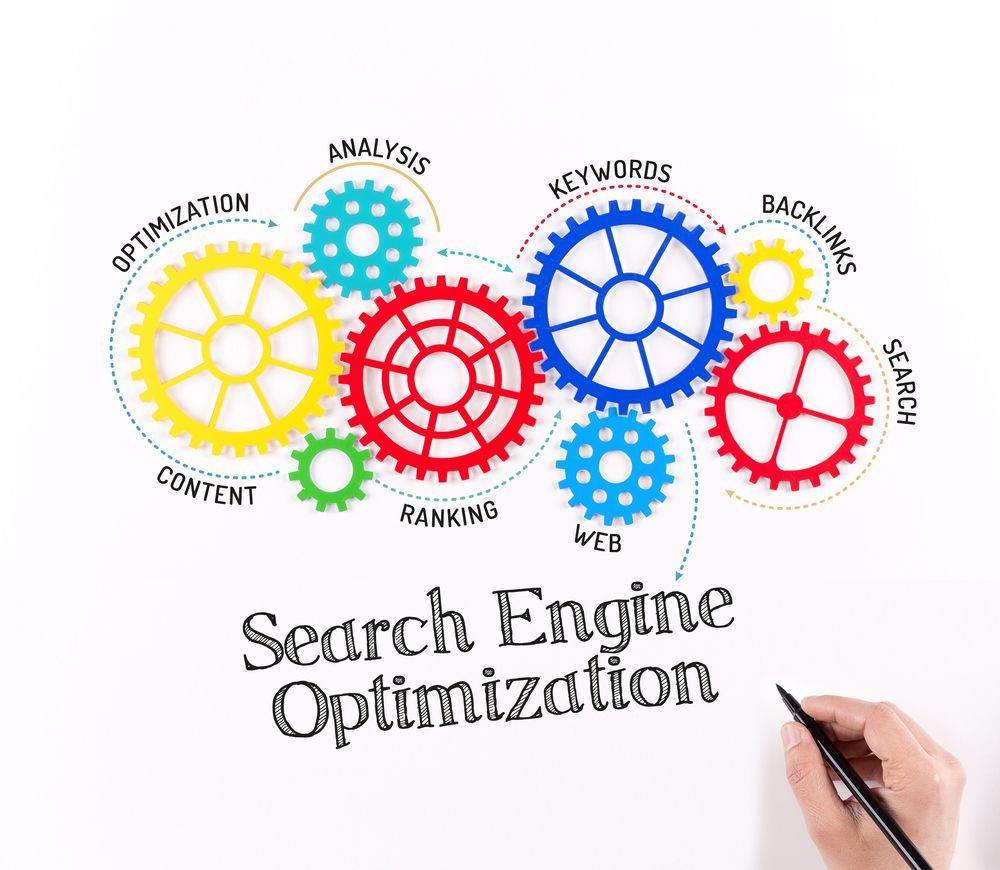
Decoding the Mysteries of Search Engine Optimization


Understanding the Basics

Before we plunge into the deep end, it's crucial to get a handle on the basics. At its core, SEO is about enhancing your website's visibility in the organic (non-paid) search results of search engines. Sounds simple, right? Yet, the simplicity ends there because achieving this requires a mix of art, science, and a bit of patience.


The Magic of Keywords

Now, onto our first act of digital alchemy: keywords. Think of keywords as magical spells that, when used correctly, can summon your website to the forefront of search engine results. It's not about stuffing as many of these as possible into your content. Oh no, the trick lies in finding the right ones that your audience is actually typing into that search bar and weaving them seamlessly into your content. It's a balance between relevance, competition, and search volume.


Behind the Curtain: On-Page Optimization

Next up, we have on-page optimization. This is where you fine-tune the elements on your website to speak the same language as search engines. From title tags that headline your page's theme to meta descriptions that offer a sneak peek into your content, and even the structure of your URLs, every little detail counts. It's like setting the stage for search engines to understand and appreciate your website's relevance to specific queries.


The Art of Link Building

Picture link building as forging alliances. The more reputable websites that link back to your content, the more search engines view your site as a credible source of information. It's a testament to your website's authority and quality, akin to a nod of approval in the digital realm. But beware, not all links are created equal. Quality over quantity is your mantra here.


Staying Agile with Algorithm Updates

Navigating the world of SEO means staying agile. Search engine algorithms are constantly evolving, each update a new twist in the tale. While these changes can sometimes feel like trying to hit a moving target, they're also opportunities. Keeping abreast of these updates and adapting your strategies can set your site apart from competitors.


Wrapping Up

Decoding the mysteries of SEO doesn't have to feel like an insurmountable quest. With a bit of insight, patience, and a willingness to adapt, the path to the top of search results becomes clearer. Remember, SEO is a marathon, not a sprint. By understanding the basics, mastering the art of keywords, fine-tuning your site’s on-page elements, cultivating valuable links, and adapting to algorithm changes, you're well on your way to transforming your website from unseen to unbeatable.

Understanding the Power of Keywords


Getting to Grips with Keywords

Keywords—think of them as the secret sauce that makes your online content delicious to both search engines and your audience. But what makes a keyword powerful? And how do you choose the right ones? Buckle up; we're about to take a deep dive into the world of keywords.


What Makes a Keyword Great?

  • Relevance: The best keywords resonate with what your audience is searching for. Imagine stepping into their shoes and typing into Google—those are your gold nuggets.
  • Search Volume: Discovering keywords that people are actively searching for is like finding a stream in a desert. High search volume = more potential visitors.
  • Competition: Lower competition keywords are hidden gems. They allow smaller sites to stand out in a crowded market. Think of it as finding a shortcut in a marathon.


Tools of the Trade

  • Love mysteries? Keyword research tools are your detective kits. Tools like Google Keyword Planner, SEMrush, and Ahrefs can help you uncover what your audience is searching for, the volume of those searches, and how hard it might be to rank for them.


Keyword Research - A Love Story

  • Begin with broad terms related to your niche and gradually narrow down. This approach is like dating; start with a wide net and get pickier as you learn what works.


The Long and the Short of It

  • Short-tail Keywords: Broad and general, these are like casting a wide net. Think "running shoes."
  • Long-tail Keywords: More specific and often longer phrases, akin to fishing with a spear. Something like "women’s blue running shoes for flat feet" would attract a very targeted crowd.


Context Is Everything

  • Search engines are getting smarter, and they’re now focusing on the intent behind the search, not just the words. Make sure your content doesn't just fit the keyword but answers the question or solves the problem behind it.


Keyword Placement Matters

  • Sprinkle your chosen keywords like fairy dust in your content, especially in titles, headings, the first paragraph, and throughout the content in a natural, readable way.


Creating content without considering keywords is like setting sail without a compass. Sure, you’ll go somewhere, but will it be where you want? Understanding and implementing the power of keywords is your first step in navigating the vast ocean of digital content toward your treasure island—visibility.
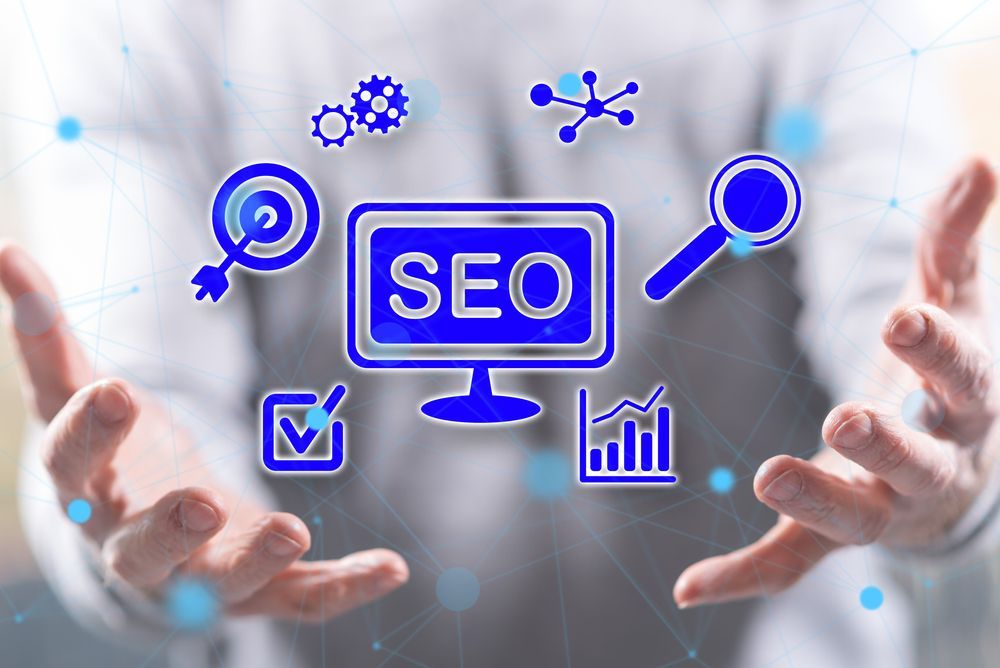
Crafting Compelling Content for SEO Success


Once you've got your keywords sorted, it's like holding a map to treasure. But, my fellow digital explorers, a map alone isn’t enough. You need the right ship to sail those SEO seas. That ship has compelling content. Crafting content that not only resonates with your audience but also ranks well on search engines is a craft needing finesse and a touch of creativity. Think of it as storytelling. Every piece of content should tell a story to your audience, one that they find valuable, relevant, and engaging.


But here's the secret sauce: don't just weave your keywords into the narrative; make them integral to the story you're telling. Your audience—and those pesky search engine bots—should hang onto every word, eager to discover what comes next. Remember, at the heart of SEO success is content so compelling that your audience can't help but share, link to, and revisit it. This isn't just about search engine algorithms; it's about creating moments of connection and insight. Keep it original, make it insightful, and always, always keep your audience asking for more.

The Art of On-Page Optimization


The magic doesn’t stop once you’ve spun the web of enticing content and enticing keywords, oh no. Enter the art of On-Page Optimization. Imagine dressing up your content for the grand ball where search engines are the scrutinizing in-laws. You want to make a good impression, right? That’s where on-page optimization waltzes in, ensuring every element of your page is humming the same tune and in key.


Think of your website as a book. The title? That’s your title tag. It’s the first hello, the thing that needs to scream "Read me!" Then there are your headings – the chapters of your story. They need to be clear, enticing, and organized, making it easy for readers (and search engines) to follow the plot.


But what’s a good story without imagery? Images breathe life into your content, but they also speak volumes to search engines through alt text. It's like whispering little secrets that only search engines understand, telling them what your images are all about.


And don’t forget about the URL - your content's home address. It needs to be tidy, logical, and keyword-rich. It’s the difference between telling someone you live "over yonder by the old Smith place" versus giving them a precise, easy-to-follow map.


In the dance of on-page optimization, every step, from the meta description that teases the content of the page like the blurb on a book cover to the user experience ensuring your site is as welcoming as a cozy reading nook, plays a crucial role. It’s these elements, working in harmony, that beckon both search engines and humans to your site, inviting them to stay awhile and explore.
Enhance Your Online Presence with LevelUp Digital Solutions!


Are you ready to unlock the secrets of SEO success? At LevelUp Digital Solutions, we're your dedicated partner in this journey. Our team of SEO experts is here to weave the magic of engaging content, keyword optimization, and on-page enhancements throughout your website. Don't navigate the vast online landscape alone. Get in touch today, and let's together navigate the path to reaching the top of search engine rankings. Take action now to embark on your journey to visibility and beyond!

January 14, 2026
How SEO Marketing Services Help Local Businesses Rank Higher
January 14, 2026
What Is a Home Care Marketing Agency & How It Drives Growth
January 12, 2026
Unlock Effective Startup Branding Techniques: How to Build a Strong Brand Identity and Strategy In the competitive landscape of startups, establishing a strong brand identity is crucial for success. Effective branding techniques not only differentiate your business but also foster customer loyalty and trust. This article will explore essential branding strategies that startups can implement to create a compelling brand identity and strategy. Many startups struggle with visibility and recognition in their early stages, which can hinder growth and market penetration. By understanding and applying effective branding techniques, startups can position themselves favorably in the market. We will cover key aspects such as brand identity, strategic branding plans, messaging techniques, and digital branding strategies. What Is Brand Identity and Why Is It Crucial for Startups? Brand identity encompasses the visual and emotional elements that represent a company, including its logo, color scheme, typography, and overall aesthetic. It is crucial for startups as it shapes how customers perceive the brand and influences their purchasing decisions. A strong brand identity helps establish a connection with the target audience, making it easier for startups to build trust and loyalty. Which Elements Define a Startup's Brand Identity? Logo : The visual symbol that represents the brand, serving as a focal point for recognition. Color Scheme : The palette of colors used in branding materials, which evokes specific emotions and associations. Typography : The style and appearance of text used in branding, contributing to the overall tone and personality of the brand. Brand Voice : The consistent expression of the brand through tone and style in communication. These elements work together to create a cohesive brand image that resonates with the target audience. How Does Brand Personality Influence Customer Perception? Brand personality refers to the human traits attributed to a brand, influencing how customers perceive and interact with it. For instance, a brand that embodies traits like friendliness and approachability may foster a sense of trust and loyalty among customers. Successful brands often leverage their personality to create emotional connections, as seen in case studies of companies like Apple and Nike, which have cultivated strong brand identities that resonate deeply with their audiences. How to Develop a Strategic Branding Plan for Your Startup
January 12, 2026
Measuring Agency Performance: Key Metrics to Track for Marketing Agency Success Measuring agency performance is crucial for understanding how well a marketing agency is achieving its goals and delivering value to clients. By tracking key metrics, agencies can identify strengths, weaknesses, and areas for improvement. This article will explore essential metrics that marketing agencies should monitor to ensure success. Readers will learn about the most important KPIs, the impact of client retention on growth, the significance of utilization rates, and the indicators that reflect marketing effectiveness. Understanding these metrics can help agencies optimize their operations and enhance client satisfaction, ultimately leading to sustained growth and profitability. What Are the Most Important Marketing Agency KPIs to Monitor? Key Performance Indicators (KPIs) are essential metrics that help agencies measure their performance against their objectives. Monitoring these KPIs allows agencies to assess their effectiveness and make informed decisions. Some of the most important KPIs for marketing agencies include client acquisition cost, return on investment (ROI), and client satisfaction scores. By focusing on these metrics, agencies can gain insights into their operational efficiency and client relationships. Which Financial Metrics Define Agency Profitability? Financial metrics are critical for determining an agency's profitability. Key financial metrics include: Net Profit Margin : This metric indicates the percentage of revenue that remains as profit after all expenses are deducted. A higher net profit margin signifies better financial health. Gross Margin : This measures the difference between revenue and the cost of services delivered, expressed as a percentage of revenue. It reflects the efficiency of service delivery. Revenue Growth : Tracking revenue growth over time helps agencies understand their market position and the effectiveness of their strategies. These financial metrics provide a clear picture of an agency's profitability and operational efficiency. How Can Client Retention Rate Impact Agency Growth?
January 10, 2026
Master Brand Positioning Strategy for Competitive Edge in Any Industry In the competitive landscape, mastering brand positioning is essential for businesses aiming to stand out. Brand positioning refers to the strategic process of defining how a brand is perceived in the minds of consumers relative to competitors. This article will explore the significance of brand positioning, its role in creating a competitive edge, and practical strategies for developing a unique value proposition. Many businesses struggle to differentiate themselves in a crowded market, but effective brand positioning can provide a clear solution. We will delve into the key elements of brand differentiation, strategies for building a strong brand identity, and methods for measuring and maintaining market position. What Is Brand Positioning and Why Is It Crucial for Businesses? Brand positioning is the process of establishing a brand's identity and value in the marketplace. It involves defining the unique attributes that set a brand apart from its competitors, which is crucial for attracting and retaining customers. Effective brand positioning helps businesses communicate their value proposition clearly, making it easier for consumers to understand why they should choose one brand over another. In markets where products can often appear similar, strong brand positioning can create a significant competitive advantage. How Does Brand Positioning Create Competitive Advantage in Competitive Markets? Brand positioning creates a competitive advantage by allowing businesses to differentiate their offerings based on unique features, benefits, or values. For instance, a company that emphasizes resource-efficient practices in its products can attract environmentally conscious consumers. Successful examples include brands that highlight innovative technology or superior customer service, which can lead to increased market share and customer loyalty. What Are the Key Elements of Effective Brand Differentiation? Effective brand differentiation relies on several key elements: Unique Value Proposition (UVP) : Clearly articulating what makes the brand unique. Target Audience Identification : Understanding the specific needs and preferences of the target market. Consistent Messaging : Ensuring that all marketing communications reflect the brand's core values and positioning. By focusing on these elements, businesses can create a distinct identity that resonates with their audience. How to Develop a Unique Value Proposition for Your Brand?
January 10, 2026
Influencer Marketing Strategy for Brand Awareness: Secrets to Increase Recognition and Growth In the digital age, influencer marketing has emerged as a powerful strategy for enhancing brand awareness. This article delves into the secrets behind effective influencer marketing, focusing on how brands can leverage micro-influencers and content strategies to boost recognition and growth. Readers will learn about the unique characteristics of micro-influencers, the types of content that resonate with audiences, and the metrics that measure the impact of influencer campaigns. Many brands struggle to stand out in a crowded marketplace, but by understanding and implementing these strategies, they can significantly enhance their visibility and engagement. We will explore how micro-influencers can effectively boost brand recognition, the content strategies that drive visibility, how to measure the impact of influencer marketing, and the importance of authentic partnerships for long-term growth. How Do Micro-Influencers Boost Brand Recognition Effectively? Micro-influencers are individuals with a smaller but highly engaged following, typically ranging from 1,000 to 100,000 followers. They are known for their authenticity and relatability, which often leads to higher engagement rates compared to larger influencers. Brands can leverage micro-influencers to create a more personal connection with their target audience, resulting in increased brand recognition and loyalty. This effectiveness stems from their ability to connect with niche audiences, making them ideal for brands looking to penetrate specific markets. What Defines Micro-Influencers and Their Audience Fit? Micro-influencers are characterized by their niche focus and strong engagement with their followers. They often cater to specific interests, such as fitness, beauty, or travel, allowing brands to target their marketing efforts more effectively. The audience demographics of micro-influencers tend to align closely with the brand's target market, enhancing the relevance of promotional content. This alignment is crucial for brands aiming to foster genuine connections and drive conversions. Why Are Micro-Influencers More Authentic and Engaging? The authenticity of micro-influencers is a significant factor in their effectiveness. They often share personal stories and experiences, which resonate with their audience on a deeper level. Studies show that micro-influencers can achieve engagement rates ranging from 3% to 8%, compared to about 1-3% for larger influencers. This higher engagement translates to increased trust and credibility, making their endorsements more impactful. Consumers are more likely to act on recommendations from influencers they perceive as relatable and trustworthy. What Content Strategies Drive Maximum Brand Visibility with Influencers?
January 10, 2026
Digital Marketing Agency Solutions for Business Growth: Effective Strategies to Boost Your Business
January 10, 2026
AI Transformation Marketing Agencies: Are You Ready to Revolutionize Your Digital Marketing?
SEO Tools
December 23, 2025
Explore the best SEO tools for 2026 to boost rankings, improve traffic, and optimize your website with actionable insights and expert recommendations.
on-page SEO checklist
December 23, 2025
Boost rankings and engagement with our 2026 on-page SEO checklist. Expert tips from LevelUp Digital Agency for optimized web pages.