

Geo-Targeting Made Easy: Precisely Targeting Rhode Island Customers
Businesses are constantly refining their marketing strategies to reach their target audience better. Geo-targeting has become an invaluable tool for connecting with specific regional markets. This powerful technique offers insights into engaging consumers in Rhode Island. Companies can enhance their relevance and appeal by tailoring promotions, content, and ads to the locality. This blog post discusses strategies, benefits of personalization, and practical tips for implementation to help businesses maximize their reach in Rhode Island.
Understanding Geo-Targeting and Its Importance for Rhode Island Businesses
What is Geo-Targeting?
Geo-targeting is a marketing strategy that involves identifying the location of a website visitor or user to deliver tailored content or advertisements. This can include specific messaging, offers, or promotions that resonate with the localized audience. By leveraging geo-targeting, businesses can create a more personalized experience that speaks directly to the needs and preferences of their regional customers.
The Importance of Local Engagement
In a small yet diverse state like Rhode Island, the importance of geo-targeting cannot be overstated. Each city or town has its unique culture and consumer behaviors, and geo-targeting enables businesses to tailor their marketing efforts accordingly. By understanding the geographic nuances, companies can ensure their campaigns are relevant and impactful, increasing customer engagement and loyalty.
Benefits for Rhode Island Businesses
For businesses operating in Rhode Island, geo-targeting offers several critical advantages. First, it allows for more efficient use of marketing resources by focusing efforts on the most promising local markets. Additionally, it enhances customer experience by providing timely and relevant information, leading to higher conversion rates. Finally, it can give businesses a competitive edge by building stronger relationships within the community, setting them apart from national brands that are less attuned to local needs.
How Geo-Targeting Enhances Localized Marketing Strategies in Rhode Island
Tailored Content Delivery
Geo-targeting allows businesses to deliver content that resonates deeply with local audiences. By analyzing location data, companies can customize their messages to reflect the values, interests, and needs of Rhode Island's diverse communities. This level of personalization not only grabs attention but also fosters a sense of connection and understanding between the brand and its audience.
Optimized Advertising Spend
With geo-targeting, businesses can allocate advertising budgets more efficiently by honing in on specific areas within Rhode Island that show the most potential. By targeting areas with higher concentrations of likely customers, companies can reduce wasted ad spend and improve return on investment. This strategic focus ensures that every dollar spent yields measurable benefits.
Improved Customer Engagement
Geo-targeting enables businesses to engage more effectively with local customers by offering promotions and deals specific to their area. For instance, a restaurant in Providence can create offers tailored to local events or holidays, driving foot traffic and boosting sales. By meeting customers where they are with locally relevant offers, companies nurture stronger relationships and loyalty.
Real-Time Interaction Opportunities
One of the significant advantages of geo-targeting is delivering time-sensitive content based on a user's current location. This functionality is particularly beneficial for businesses looking to capitalize on spur-of-the-moment opportunities or for real-time interaction with customers, creating a dynamic marketing environment in fast-paced areas like downtown Providence.
Enhanced Competitor Analysis
By utilizing geo-targeting, businesses can gain insights into how competitors in Rhode Island are engaging with local audiences. This analysis allows companies to identify gaps in the market, adjust their strategies accordingly, and offer superior solutions to meet consumer demands. As a result, businesses can stay one step ahead of competitors who might not be using geo-targeting effectively.
The Role of Location Data in Reaching Rhode Island Customers Effectively
Understanding the Value of Location Data
Location data serves as a critical component in formulating effective marketing strategies for Rhode Island businesses. It provides valuable insights into customer behaviors, preferences, and movement patterns, allowing businesses to tailor their offerings and communications. By harnessing this data, companies can accurately segment their target audience, ensuring that marketing efforts are as relevant and compelling as possible.
Crafting Personalized Marketing Campaigns
With location data, Rhode Island businesses can craft highly personalized marketing campaigns that resonate with local consumers. This involves using geographic insights to address specific community interests or needs. For instance, a retail store in Newport might utilize location data to promote seasonal products that align with local events or festivals, enhancing their relevance and boosting customer engagement.
Enhancing Customer Experience Through Localization
Localization is a key advantage of leveraging location data, as it allows businesses to refine customer experiences at a hyper-local level. By understanding the unique characteristics of different Rhode Island regions, companies can adapt their communications and offerings to better suit their customers' expectations. This approach not only increases satisfaction but also fosters stronger brand loyalty among the local populace.
Increasing Marketing ROI
Location data empowers Rhode Island businesses to optimize their marketing investments by targeting the most receptive local audiences. By focusing on precise demographic clusters or areas with high potential for sales, companies can increase the efficiency and effectiveness of their campaigns. This targeted approach helps maximize return on investment and ensures that marketing resources are utilized where they will have the greatest impact.
Mitigating Risks with Informed Decision-Making
Using location data enables businesses to make proactive and informed decisions, reducing the risks associated with market changes or competition. Companies can promptly adjust their strategies based on real-time insights, staying ahead of market trends and consumer demands. This agility is crucial for maintaining a competitive edge in Rhode Island's dynamic business landscape.
Benefits of Personalizing Ads and Content for Rhode Island Audiences

Boosted Engagement Rates
Personalizing ads and content for Rhode Island audiences significantly enhances engagement rates. When content is tailored to the specific preferences and cultural values of the local audience, it resonates more deeply, resulting in higher click-through and interaction rates. By featuring localized imagery, language, and offers, businesses can create content that truly captivates the attention of Rhode Islanders, sparking interest and driving action.
Strengthened Brand Loyalty
Personalized marketing efforts contribute to a stronger sense of loyalty among Rhode Island customers. When consumers feel that a brand understands and values their unique needs and preferences, they are more likely to develop a lasting connection with it. By consistently delivering relevant and meaningful content, businesses can build trust and reinforce relationships with local customers, leading to increased repeat patronage and referrals.
Increased Conversion Rates
By tailoring ads and content to the specific characteristics of Rhode Island audiences, businesses can improve their conversion rates. Personalization helps align marketing messages with consumer desires, making it easier for them to see the benefits of a product or service. This alignment reduces barriers to purchase, encouraging more Rhode Islanders to take desired actions, whether it’s making a purchase, signing up for a service, or visiting a store.
Superior Customer Insights
Personalizing content for Rhode Island audiences also provides businesses with superior insights into consumer behavior and preferences. Through engagement with personalized content, companies can gather valuable data on what resonates with their audiences, helping refine future marketing strategies. This ongoing feedback loop allows businesses to continuously adapt and improve their messaging to better meet the needs of their local customers.
Competitive Advantage
Personalized ads and content offer a significant competitive advantage for businesses in Rhode Island. By distinguishing themselves with targeted and relevant communications, companies can set themselves apart from competitors who may be relying on generic, broad-spectrum advertising. This personalized approach not only elevates a brand’s presence in the market but also positions it as a leader in understanding and serving the needs of the Rhode Island community.
How to Use Geo-Targeting to Increase Relevance for Rhode Island Consumers
Understanding Geo-Targeting
Geo-targeting involves using geographical information to deliver content, advertisements, or services to users based on their physical location. This approach allows businesses to tailor marketing efforts to specific regions, thus increasing the relevance and impact of their campaigns. For Rhode Island businesses, geo-targeting offers the opportunity to connect with local consumers in a more meaningful way.
Implementing Localized Advertising
By incorporating geo-targeting into advertising strategies, businesses in Rhode Island can ensure that their promotional content reaches the right audience at the right time. Localized ads can highlight region-specific offers or services, or reference local landmarks and weather conditions, making the advertisements more relatable and appealing to potential customers.
Customizing Offers and Promotions
Geo-targeting enables businesses to personalize offers and promotions based on the location of their audience. Rhode Island companies can use this strategy to provide special discounts or deals that cater to local interests or events. This increases the chances of conversions, as consumers are more likely to engage with offers that seem directly relevant to their immediate context.
Enhancing Mobile Marketing Efforts
As mobile usage continues to rise, leveraging geo-targeting in mobile marketing can significantly boost engagement with Rhode Island consumers. Businesses can send location-based notifications, alerts, or reminders to keep their audience informed about new products or special events happening nearby, ensuring that their brand remains top-of-mind.
Analyzing Customer Behavior
Using geo-targeting tools allows businesses to track and analyze customer movement patterns and preferences. By collecting data on where consumers go, businesses in Rhode Island can gain insights into popular local areas and trends, enabling them to fine-tune their products or services to better meet audience demands.
Building Community Connections
Geo-targeting isn't just about advertising; it's also a valuable tool for building stronger community connections. Companies can use location data to support local events or partner with other local businesses, fostering goodwill and establishing a presence within the Rhode Island community. This not only elevates brand image but also creates lasting relationships with local customers.
Practical Steps for Implementing Geo-Targeting in Your Rhode Island Marketing
Identify Your Target Audience
The first step in implementing geo-targeting is to identify your target audience in Rhode Island. Understanding the demographics, preferences, and behaviors of local consumers allows you to create more precise and effective marketing campaigns. Utilize market research tools and data analytics to gain insights into who your ideal customers are and what they value.
Leverage Local Data Sources
To effectively geo-target your marketing efforts, tap into local data sources that provide insights into consumer behaviors in Rhode Island. This could include local shopping trends, popular areas of interest, or seasonal events that attract large crowds. Access to this information will help you tailor your marketing content to align with local interests and schedules.
Choose the Right Platforms
Selecting the appropriate platforms for your geo-targeting efforts is crucial. Social media channels like Facebook and Instagram offer robust geo-targeting features that allow you to reach users based on their location. Additionally, using Google Ads can help you deliver location-specific advertisements to potential customers searching for businesses or services in Rhode Island.
Craft Location-Specific Messaging
Create compelling content that speaks directly to the Rhode Island audience by incorporating local references and cultural nuances into your messaging. This could include mentioning local landmarks, referencing local dialect, or using imagery that resonates with the regional audience.
Test and Refine Your Strategies
Geo-targeting is an iterative process that requires continuous testing and optimization. Experiment with different types of content, offers, and messaging to see what resonates best with your Rhode Island audience. Analyze metrics such as engagement rates, conversion rates, and customer feedback to refine your strategies over time, ensuring they remain effective and relevant.
Monitor and Analyze Results
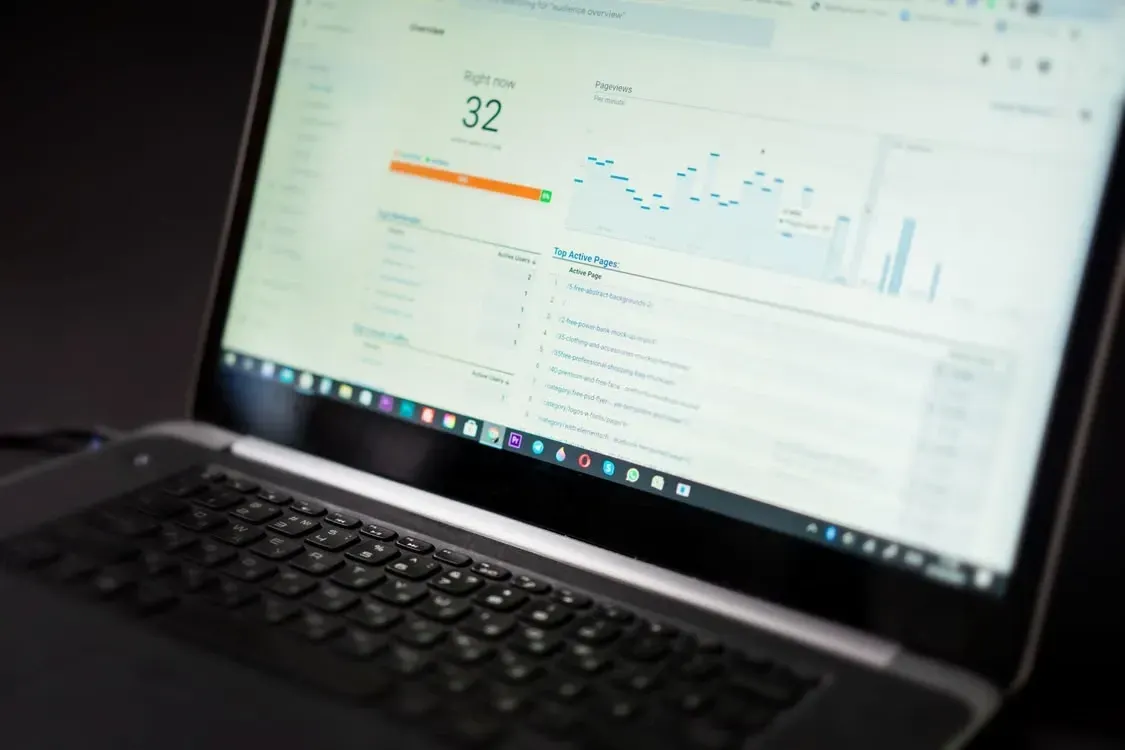
Consistently monitor and analyze the results of your geo-targeting initiatives. Use analytics tools to track the performance of your campaigns and gather insights into what is working and what needs improvement. Regular analysis will help you understand the impact of your marketing efforts on your Rhode Island audience and guide future decision-making.
Best Practices for Creating Location-Specific Campaigns in Rhode Island
Understand Local Culture and Preferences
To craft effective location-specific campaigns in Rhode Island, it's crucial to have a deep understanding of the local culture, values, and consumer preferences. Conduct thorough research into what resonates with the community, such as popular activities, regional holidays, and local traditions. This knowledge will help you create marketing content that feels authentic and relatable to your audience.
Use Hyper-Local Advertising
Leverage hyper-local advertising by focusing on small, specific areas within Rhode Island. This technique allows you to concentrate your marketing efforts on distinct communities or neighborhoods where your product or service can have the most significant impact. Utilize tools like geofencing or location-based social media ads to deliver tailored products that resonate with these micro-communities.
Highlight Local Success Stories
Showcasing local success stories that involve your product or service can have a powerful impact. Feature testimonials or case studies from Rhode Island consumers or businesses that have benefited from your offerings. This not only provides social proof but also builds trust with potential customers who see others in their community having positive experiences.
Offer Exclusive Local Promotions
Offering exclusive promotions or discounts to Rhode Island residents can drive engagement and conversions. Develop location-specific offers tied to local events or seasons that incentivize locals to choose your brand. This tactic not only attracts more customers but also fosters a sense of community and appreciation for your local audience.
Engage in Community Initiatives
Participate in or sponsor local events and initiatives to increase your brand presence and foster goodwill within the Rhode Island community. By showing support for local causes, you demonstrate a commitment to the community, which can enhance your brand’s image and create positive associations among local consumers.
Get in Touch with LevelUp Digital
Ready to elevate your marketing efforts in Rhode Island? Contact LevelUp Digital today to discover how our innovative geo-targeting strategies can help you connect with your local audience more effectively. Our team of experts is here to support you every step of the way, from strategy development to execution. Let us help you unlock new opportunities for growth and engagement. Reach out to us now and let's take your business to the next level!